

Overview
4th Street Recording is a boutique analog studio tucked into downtown Santa Monica, four blocks from the beach and one block off the Third Street Promenade. The studio has quietly accumulated a track record that would embarrass much louder competitors: sessions with Fiona Apple, early Incubus, Weezer, No Doubt, Daniel Caesar, and The Neighbourhood have all run through this room. A number of artists have been signed to major-label deals on the back of recordings made here.
The studio does not lean into any of that history particularly hard. Walk in and it just looks like a great-sounding room that has been maintained by someone who cares: burgundy velvet walls, natural wood surfaces, vintage gear in working order, and a grand piano that a lot of engineers will tell you is one of the best studio pianos in Los Angeles. The analog signal chain is real, not decorative.
The Room
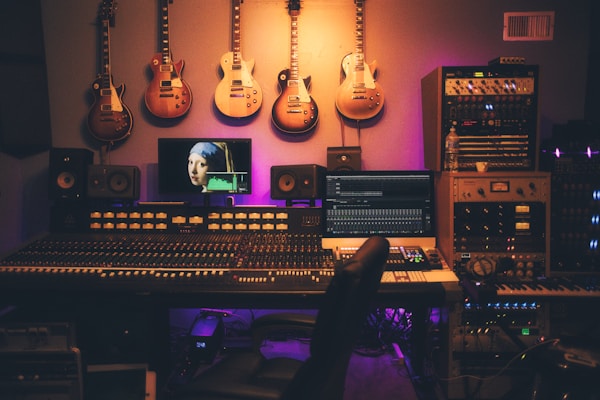
The tracking room was acoustically designed by professional studio builders — non-parallel surfaces, decoupled floating construction, the kind of engineering you cannot replicate by hanging foam panels. It is a room that has been built to sound good, and it does. The control room anchors around an API 3224 console, which delivers that punchy, clear API character that works particularly well for live-to-tape tracking, rock, and anything where you want presence and separation without fighting for it in the mix.
Gear
The centerpiece is the API 3224 console paired with a 2-inch Studer tape machine. If you want to track to tape — real tape, not a plugin approximation — this is one of the few rooms in Santa Monica where you can do that on professional gear that is properly maintained. The studio also runs Pro Tools Ultimate HD for hybrid sessions where you want the warmth of the analog chain with the flexibility of digital editing.
Beyond the console and tape machine, the room has a serious vintage keyboard collection: a grand piano, Hammond Organ, Fender Rhodes, and a range of classic outboard gear. Guitar amps are available for rent. There are vintage mics, classic reverbs, and enough outboard processors to handle anything from a sparse singer-songwriter session to a full-band live tracking date.
Location and Access
For Westside musicians, the location is one of the best in the city. Downtown Santa Monica means easy parking (metered street and nearby lots), walking distance to food and coffee, and a creative environment that does not feel like a commercial strip mall. Sessions are by appointment during standard daytime hours; the minimum booking is two hours.
The Analog Case
The honest truth about 4th Street is that it occupies a specific niche: the musician who wants to track in an analog environment without paying Village Studios or EastWest day rates. If your music benefits from the warmth and saturation of real tape, or if you simply want to record at a console that was designed before the era of endless plugin chains, this is one of the few remaining rooms in Santa Monica that can deliver that. Not every project needs tape. But for certain kinds of music — live bands, acoustic-heavy folk or country, jazz, or anything where you want a natural, slightly compressed sound from the console itself — 4th Street is hard to beat at its price point.
The Price Reality
4th Street does not publish hourly rates publicly, which is common among boutique studios — contact the studio directly for current rates and minimums. The studio's own materials describe it as offering quality comparable to studios that cost twice as much, which is plausible relative to major commercial facilities. For frequent users, an hourly model adds up quickly relative to a membership at The Recording Club, which provides 24/7 unlimited access for a flat monthly fee.
For a one-time project, a tracking date, or a session where the specific character of the analog gear matters to the sound, 4th Street is excellent value. For ongoing recording work where you are in the studio multiple times per week, the hourly model becomes expensive fast.
Pros
- Real analog signal chain (API console, Studer tape)
- Highly regarded studio grand piano
- Proven room acoustics from serious engineering
- Impressive track record and artist history
- Prime downtown Santa Monica location
- Block-rate discounts available on request
- Hammond, Rhodes, and vintage keyboard collection
Cons
- Hourly billing adds up for frequent users
- Rates not publicly listed — need to call
- No 24/7 access — appointment hours only
- Two-hour minimum booking
- No wellness amenities or community
- Limited room count (single tracking room setup)
Who Is 4th Street Recording Best For?
4th Street is best for bands and artists who want a genuinely analog recording environment in Santa Monica without paying legacy studio day rates. It is ideal for tracking live performances, anything with piano as a centerpiece, sessions where tape saturation matters to the sound, or artists who want to record in the same room where Fiona Apple and Daniel Caesar have worked. If you are doing ongoing weekly production work and need cost efficiency, look at the membership model at The Recording Club instead.
The Bottom Line
4th Street Recording is a serious studio with serious gear in a great location, and it has the discography to prove it. For analog tracking, piano-centric sessions, and one-off recording projects, it is one of the strongest options on the Westside. For musicians who need frequent, cost-effective access to professional facilities, the hourly model will not pencil out long-term. See our full studio comparison to find the right fit for your workflow.